Why Asian Vegan Sauces Are the Heart of Plant-Based Cooking
Asian cuisine has long mastered the art of balancing flavors — sweet, salty, sour, spicy, and umami. Even without animal ingredients, these sauces bring depth, aroma, and authenticity to any plant-based dish. Whether you’re glazing tofu with vegan teriyaki or tossing noodles in Thai peanut sauce, Asian vegan sauces are your passport to vibrant, satisfying meals.
Umami Without Fish or Meat: The Secret of Vegan Depth
Traditional Asian sauces often rely on fish sauce, oyster extract, or fermented shrimp for their umami kick. But vegan cooks have reinvented these flavors through plant-based innovation.
Ingredients like miso paste, seaweed, dried mushrooms, and tamari recreate that same savory intensity — naturally and compassionately. These ingredients don’t just mimic umami; they elevate it. The result? Sauces that feel indulgent, balanced, and deeply comforting.
For example:
- Dulse flakes or kombu add the sea-like salinity you’d expect from fish sauce.
- Shiitake or porcini mushrooms contribute an earthy umami tone.
- Miso and soy-based ferments build complexity and richness that lingers on your palate.
Asian vegan sauces capture the soul of traditional recipes while staying cruelty-free — and that’s what makes them the beating heart of modern vegan cuisine.
Table of Contents
Essential Asian Flavors: Sweet, Salty, Sour, Spicy, and Savory
To build the perfect vegan sauce, understanding the five flavor pillars of Asian cooking is key:
- Sweet – often from coconut sugar, maple syrup, or dates.
- Salty – from tamari, soy-free aminos, or sea salt.
- Sour – from rice vinegar, lime juice, or tamarind.
- Spicy – from fresh chili, sriracha, or crushed pepper flakes.
- Savory (Umami) – from miso, mushrooms, or roasted sesame oil.
When balanced properly, these elements form sauces that transform even the simplest dish into something extraordinary. A drizzle of vegan hoisin can turn roasted veggies into a restaurant-worthy meal. A spoonful of vegan curry sauce can elevate plain rice into a comforting bowl bursting with aroma.
Health and Sustainability Benefits
Aside from their taste, vegan Asian sauces align beautifully with a sustainable lifestyle. By removing fish and other animal products, these sauces lower environmental impact — fewer emissions, no overfishing, no cholesterol.
They’re also packed with nutrients:
- Fermented ingredients like miso and tamari improve gut health.
- Ginger and garlic provide natural anti-inflammatory benefits.
- Coconut milk or nut bases deliver healthy fats and creaminess.
Each sauce offers a way to eat more consciously while keeping the authentic spirit of Asian cuisine alive.
Key Ingredients Used in Vegan Asian Sauces
Tamari, Miso, and Coconut Aminos: The Salt and Umami Base
At the heart of nearly every Asian sauce lies soy or miso, but vegan cooking opens new possibilities.
- Tamari is a naturally gluten-free soy sauce that adds deep umami without harsh saltiness.
- Coconut aminos, made from fermented coconut sap, offer a lighter, slightly sweet alternative — perfect for those avoiding soy.
- Miso paste, whether white, yellow, or red, brings a fermented depth that’s unmatched. It’s ideal for sauces like vegan miso dressing or curry pastes.
These elements provide a solid foundation to build layers of flavor upon — a true umami backbone that every great sauce needs.
Plant-Based Sweeteners: Gentle Balance for Depth
Asian sauces often depend on sweetness to balance salt and spice. In vegan versions, refined sugar takes a back seat to natural sweeteners:
- Maple syrup adds a caramel tone to teriyaki and hoisin sauces.
- Coconut sugar lends complexity and color without overpowering.
- Agave nectar or date paste create gentle, rounded sweetness.
This swap not only enhances taste but also keeps recipes refined-sugar-free and lower on the glycemic index — ideal for health-focused eaters.
Thickening Agents: Creamy Without Dairy
Many traditional sauces use cornstarch, cream, or butter. Vegan alternatives achieve the same velvety consistency with:
- Arrowroot or cornstarch slurry – for glossy stir-fry sauces.
- Cashew cream – adds richness to Thai curry or satay sauce.
- Coconut milk – provides body and tropical flavor.
These ingredients deliver smooth texture and visual appeal without any animal-derived thickeners.
Flavor Enhancers: Lime, Ginger, Garlic, Chili & Rice Vinegar
No Asian sauce feels complete without these heroes:
- Fresh lime or lemon brightens up heavy flavors.
- Ginger and garlic build aromatic intensity and warmth.
- Chili (fresh or dried) provides the heat dimension.
- Rice vinegar gives that signature tang in sweet & sour or dipping sauces.
Together, they create the signature punchy, layered flavor that defines Asian cuisine. When combined thoughtfully, they make your sauce taste authentically crafted — even if it’s entirely vegan.
🥢 10 Must-Try Vegan Asian Sauces for Every Dish
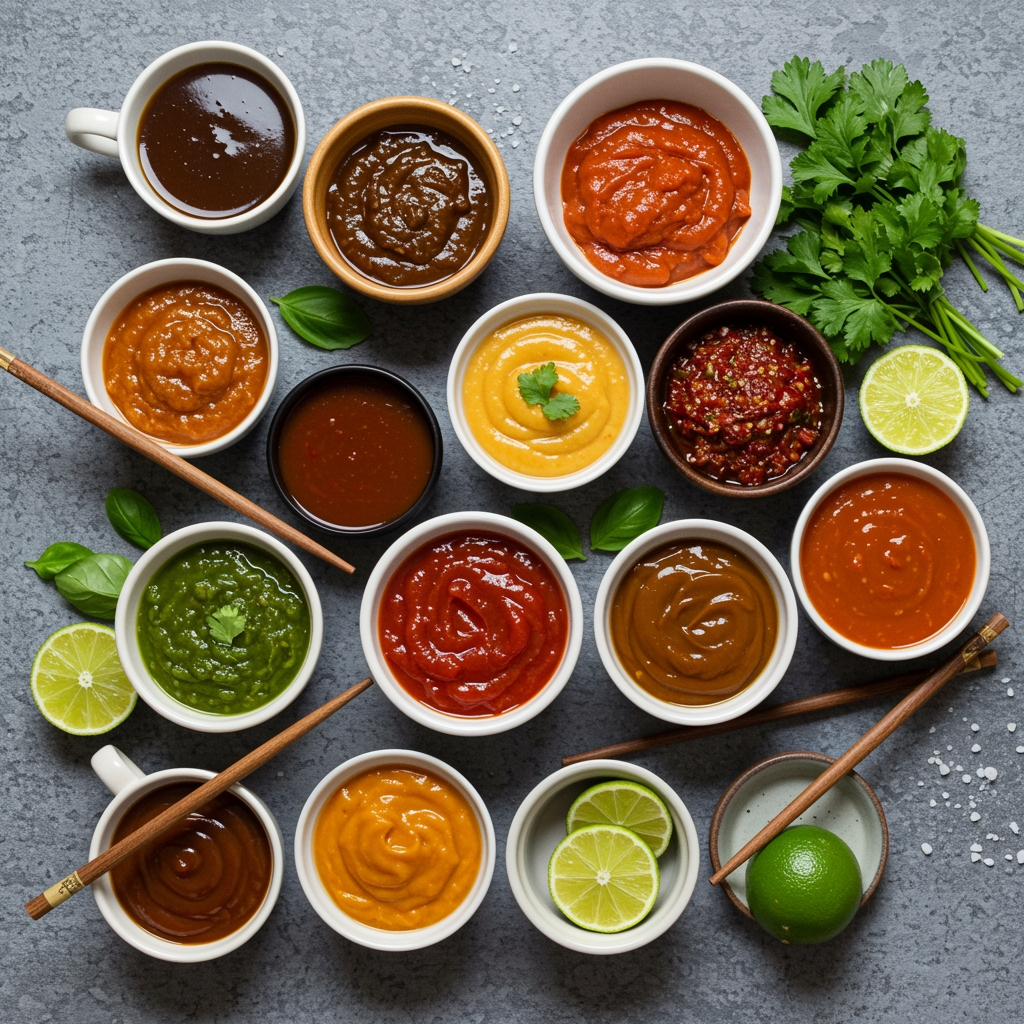
Asian vegan sauces bring versatility and boldness to plant-based cooking. From rich peanut blends to spicy-sweet stir-fry glazes, each one has its own story and purpose. Let’s explore the 10 essential sauces that every vegan kitchen should master — each perfectly suited for tofu, noodles, salads, and beyond.
1. Vegan Fish Sauce Alternatives
Traditional fish sauce defines Thai and Vietnamese cuisine — but you can achieve the same salty depth with plant-based umami ingredients.
Key Ingredients: Kombu seaweed, dried shiitake mushrooms, tamari, lime juice, and a touch of miso.
Flavor Profile: Salty, tangy, oceanic, and deeply savory.
Best Used For: Pad Thai, curries, dipping sauces, and marinades.
💡 Pro Tip: Let your vegan fish sauce steep for at least 24 hours to enhance complexity.
🔗 Read more: Vegan Fish Sauce Alternatives
2. Vegan Teriyaki Sauce
Sweet, glossy, and umami-rich — vegan teriyaki adds instant flavor to tofu, vegetables, and rice.
Key Ingredients: Tamari, maple syrup, rice vinegar, garlic, and ginger.
Texture: Smooth and syrupy.
Use It For: Glazing tofu skewers, coating stir-fried broccoli, or drizzling over sushi bowls.
💡 Pro Tip: For extra shine, whisk in a little arrowroot slurry at the end of cooking.
🔗 Learn more: Vegan Teriyaki Sauce Recipe
3. Vegan Thai Peanut Sauce
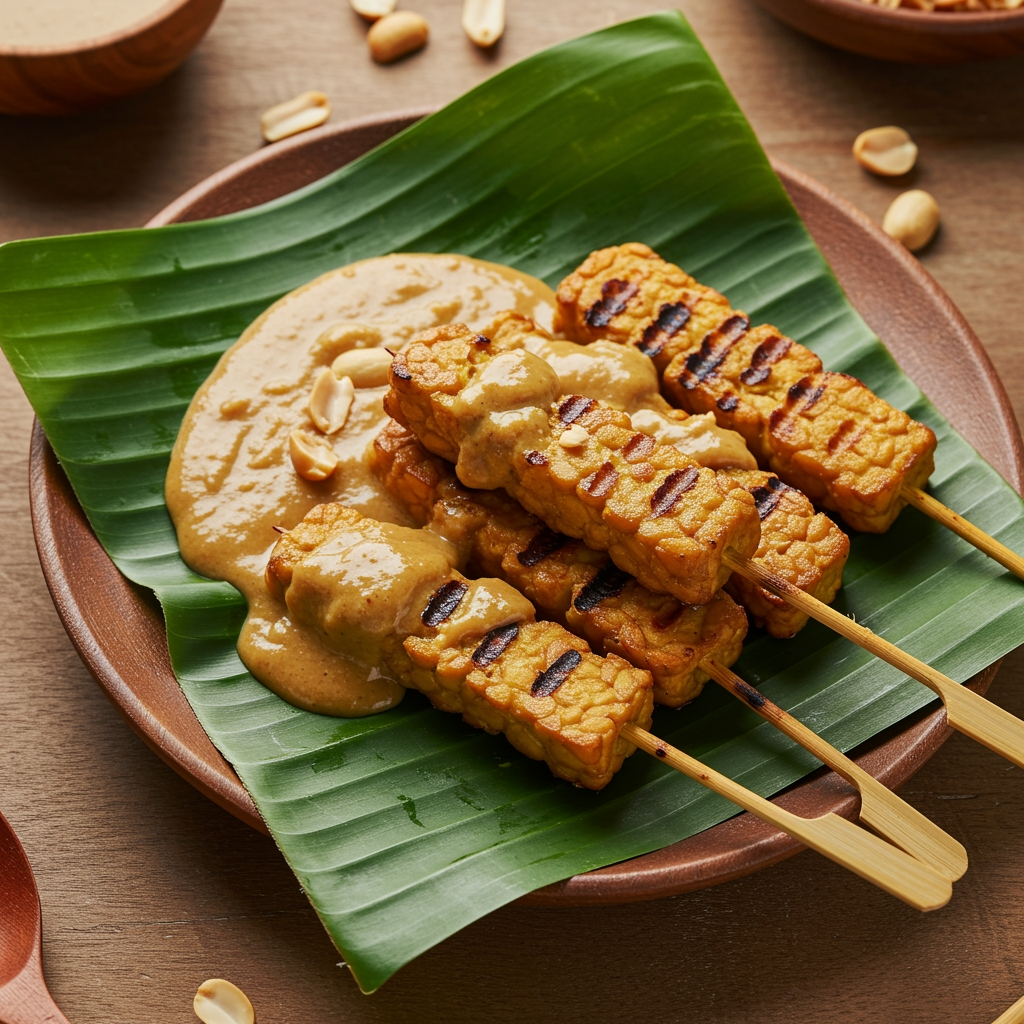
This creamy, nutty sauce captures the magic of Thai street food — no fish sauce needed.
Key Ingredients: Peanut butter, tamari, lime juice, coconut milk, and maple syrup.
Texture: Thick, creamy, and luscious.
Perfect For: Rice noodles, spring rolls, grain bowls, or grilled tempeh.
💡 Variation: Swap peanut butter for almond or sunflower butter for a nut-free version.
🔗 Get the full recipe: Vegan Thai Peanut Sauce
4. Vegan Curry Sauce
Rich and aromatic, this sauce blends the warmth of Indian and Thai spices for a vegan take on curry perfection.
Key Ingredients: Coconut milk, curry paste (without shrimp or fish), garlic, turmeric, and cumin.
Flavor: Creamy, spiced, and comforting.
Pairs With: Chickpeas, lentils, tofu cubes, or roasted vegetables.
💡 Make It Healthier: Replace coconut milk with blended cashew cream for a lighter, oil-free version.
🔗 Explore: Vegan Curry Sauce Recipe
5. Vegan Soy Sauce Substitutes
When avoiding soy or gluten, there’s no need to sacrifice umami. Coconut aminos or mushroom seasoning sauces provide a rich, salty-sweet alternative.
Key Ingredients: Coconut aminos, molasses, mushroom extract, apple cider vinegar.
Taste: Mildly sweet and savory.
Best For: Stir-fries, marinades, and dipping sauces.
💡 Storage Tip: Keep it refrigerated to preserve freshness and flavor.
🔗 Discover options: Vegan Soy Sauce Substitutes
6. Vegan Hoisin Sauce
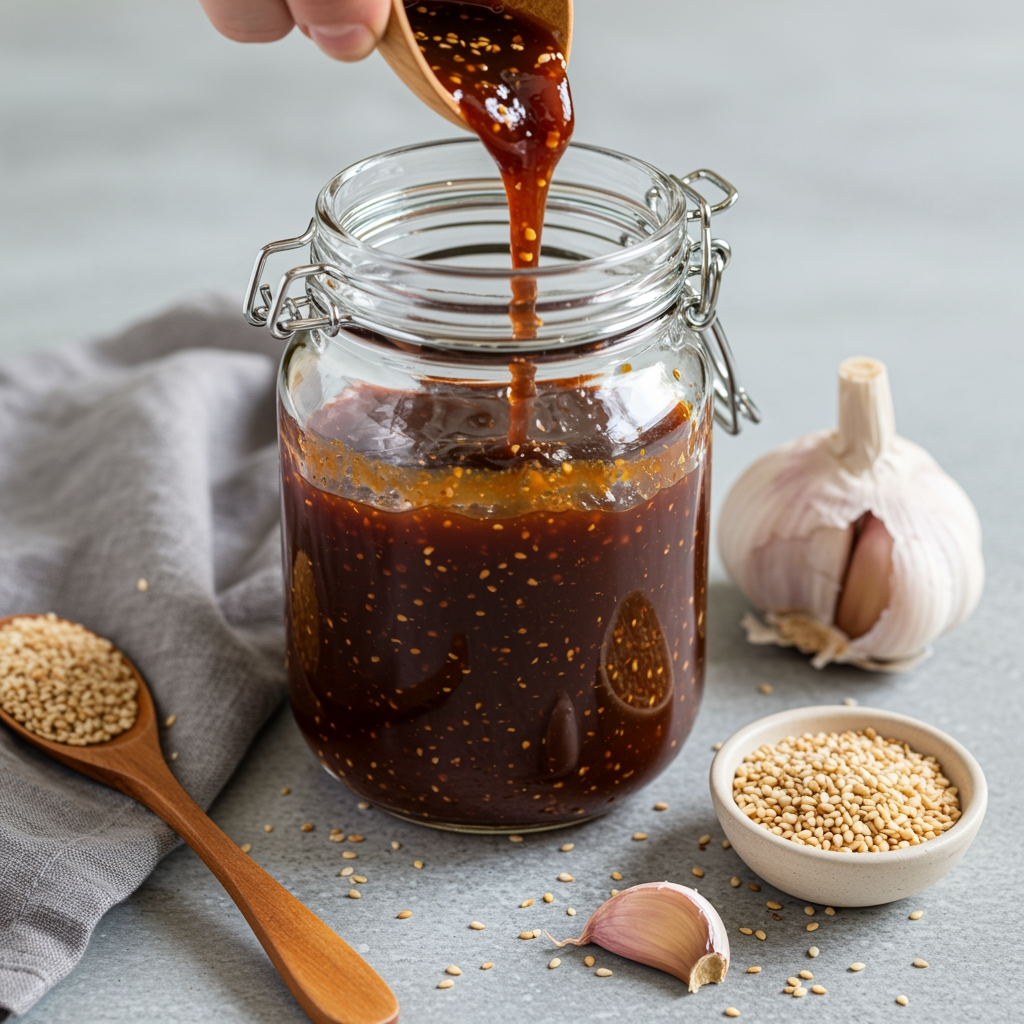
Thick, sweet, and savory — vegan hoisin delivers that restaurant-quality flavor without animal ingredients.
Key Ingredients: Miso paste, maple syrup, rice vinegar, garlic, sesame oil, and tamari.
Texture: Sticky and glossy.
Best For: Stir-fries, lettuce wraps, or as a glaze for tempeh.
💡 Quick Trick: Add a pinch of Chinese five-spice for an authentic aroma.
🔗 Try it: Vegan Hoisin Sauce
7. Vegan Satay Sauce
A Southeast Asian favorite, satay sauce is the soul of grilled dishes and street skewers.
Key Ingredients: Peanut butter, coconut milk, red curry paste, soy-free tamari, and lime juice.
Flavor: Creamy, slightly spicy, and aromatic.
Serve With: Skewered tofu, seitan satay, or veggie kebabs.
💡 Chef’s Note: Add crushed peanuts on top for crunch and authenticity.
🔗 Full guide: Vegan Satay Sauce
8. Vegan Sweet & Sour Sauce
Bright, tangy, and irresistible — this sauce balances fruitiness with savory notes for perfect tofu or veggie dishes.
Key Ingredients: Pineapple juice, tomato paste, apple cider vinegar, and coconut sugar.
Texture: Smooth and glossy.
Pairs With: Stir-fried vegetables, rice, or vegan “chicken” bites.
💡 Healthy Swap: Replace refined sugar with maple syrup or date syrup.
🔗 Recipe here: Vegan Sweet & Sour Sauce
9. Vegan Dumpling Dipping Sauce
Simple yet elegant, this sauce adds flavor to every bite of your favorite dumplings or gyoza.
Key Ingredients: Tamari, rice vinegar, sesame oil, garlic, and chili flakes.
Flavor Profile: Salty, tangy, with a touch of spice.
Best For: Gyoza, spring rolls, or steamed buns.
💡 Add Depth: Include a few drops of vegan fish sauce for umami enhancement.
🔗 See more: Vegan Dumpling Dipping Sauce
10. Vegan Miso Dressing
This light and versatile dressing delivers the signature Japanese flavor of fermented miso paste.
Key Ingredients: White miso, rice vinegar, maple syrup, sesame oil, and ginger.
Flavor: Mildly sweet, tangy, and full-bodied.
Perfect On: Salads, grain bowls, roasted veggies, or cold noodles.
💡 Quick Prep: Whisk ingredients with warm water for an instant creamy dressing.
🔗 Get recipe: Vegan Miso Dressing
🍱 How to Combine and Customize
Don’t be afraid to mix these sauces for new fusion flavors.
- Combine vegan peanut + curry sauce for a Thai-inspired creamy dip.
- Mix hoisin + sweet & sour for a sticky BBQ glaze.
- Add a spoon of miso dressing into teriyaki sauce to deepen umami.
Experimentation is the joy of vegan cooking — and these sauces offer endless creativity for both beginners and seasoned chefs.
🍜 How to Pair & Use Vegan Asian Sauces Like a Chef
You’ve got your sauces — now comes the art of pairing and using them. Asian vegan sauces aren’t just condiments; they’re the soul of a dish. Each brings its own balance of sweetness, acidity, and umami that can completely transform plant-based meals.
Perfect Pairings for Every Sauce
1. For Protein: Tofu, Tempeh & Seitan
Asian vegan sauces are the ultimate partners for protein-rich ingredients.
- Teriyaki sauce caramelizes beautifully on grilled tofu.
- Satay sauce adds richness to skewered seitan.
- Curry sauce makes lentils and chickpeas irresistibly aromatic.
💡 Pro Tip: Always press tofu before marinating — it helps the sauce absorb deeper and brown evenly.
2. For Noodles & Stir-Fries
When it comes to noodles, the sauce is everything.
- Thai peanut sauce and miso dressing are perfect for cold soba or rice noodles.
- Sweet & sour sauce turns a simple stir-fry into a vibrant bowl of color and flavor.
- Hoisin or soy-free teriyaki works great as a finishing drizzle for noodle stir-fries.
💡 Chef’s Trick: Toss your noodles in sauce while still warm so they soak up the flavors evenly.
3. For Rice Dishes
Asian vegan sauces are designed to complement grains.
- A few tablespoons of vegan curry sauce instantly elevate jasmine rice.
- Vegan fish sauce adds umami depth to fried rice without overpowering.
- Dumpling dipping sauce doubles as a quick dressing for rice bowls.
💡 Idea: Try mixing leftover rice with curry sauce, edamame, and shredded carrots for a 5-minute vegan fried rice.
4. For Vegetables & Salads
From steamed broccoli to fresh greens, these sauces make vegetables shine.
- Miso dressing gives salads a savory depth.
- Sweet & sour sauce brings brightness to roasted vegetables.
- Hoisin makes an excellent glaze for baked eggplant or mushrooms.
💡 Creative Combo: Drizzle hoisin and miso together for a complex roasted veggie coating.
5. For Wraps, Spring Rolls & Bowls
Vegan sauces turn wraps and bowls into restaurant-level meals.
- Satay or peanut sauce adds creaminess to rice paper rolls.
- Vegan fish sauce alternatives enhance freshness in Vietnamese-inspired wraps.
- Curry sauce and soy-free substitutes add comfort to Buddha bowls.
💡 Presentation Tip: Serve multiple sauces in small bowls to invite dipping and mixing — it’s visual, interactive, and delicious.
🧊 Storage, Shelf Life & Batch Cooking Tips
One of the best things about vegan sauces is how easy they are to store.
They last longer than dairy-based sauces, making them ideal for meal prepping and weekly planning.
Fridge Storage (Up to 7–10 Days)
- Store in glass jars with tight lids.
- Label and date your sauces.
- Shake or stir before reuse — natural separation is normal.
Best refrigerated sauces:
- Teriyaki, peanut, hoisin, miso, and sweet & sour.
Freezer Storage (Up to 2–3 Months)
- Freeze in ice cube trays for quick single-serve portions.
- Perfect for curry or satay sauce.
- Defrost overnight in the fridge or on low heat in a pan.
Batch Cooking Hack
Make a “sauce prep day” every Sunday. Prepare 3 sauces at once:
- One salty (soy or fish alternative)
- One creamy (peanut or satay)
- One tangy (sweet & sour or miso)
You’ll save time and never run out of flavor inspiration for the week.
What can I use instead of soy sauce in vegan recipes?
Try coconut aminos or mushroom seasoning sauce. Both provide umami and saltiness with a milder, slightly sweet taste — perfect for gluten-free or soy-free diets.
How can I make vegan fish sauce at home?
Simmer kombu, dried shiitake mushrooms, and tamari in water with a squeeze of lime juice. Strain and store in a jar — it tastes just like the sea, minus the fish.
Are Asian sauces naturally vegan?
Not all. Many traditional ones use fish, oyster, or shrimp extracts. However, you can make vegan versions using miso, seaweed, mushrooms, and soy-free bases that perfectly replicate the flavors.
Which Asian sauce is best for tofu?
Teriyaki sauce is the classic match — it caramelizes beautifully on tofu when pan-seared. For something spicier, try Thai peanut sauce or hoisin glaze.
Can I make Asian sauces without oil?
Yes! Use coconut milk, nut butter, or blended tofu for creaminess. Oil-free versions still taste amazing when thickened with arrowroot or cornstarch.
What’s the healthiest vegan Asian sauce?
Miso dressing wins for its probiotics and low-fat profile. But all the sauces can be healthy when made with natural sweeteners and low-sodium tamari.
Conclusion: Build Your Vegan Sauce Pantry
Asian vegan sauces are more than just condiments — they’re your gateway to creative, nutrient-rich, and flavorful cooking. With a few pantry staples like tamari, miso, and lime juice, you can recreate the authentic tastes of Japan, Thailand, Vietnam, and China — entirely plant-based.
The next time you crave takeout, open your fridge instead. Your homemade vegan teriyaki, peanut, or hoisin sauce will bring restaurant-level flavor right to your kitchen — cruelty-free and bursting with personality.